Sponge cake is a light cake made with eggs, flour and sugar, sometimes leavened with baking powder. Sponge cakes, leavened with beaten eggs, originated during the Renaissance, possibly in Spain. The sponge cake is thought to be one of the first of the non-yeasted cakes, and the earliest attested sponge cake recipe in English is found in a book by the English poet Gervase Markham, The English Huswife, Containing the Inward and Outward Virtues Which Ought to Be in a Complete Woman (1615). Still, the cake was much more like a cookie: thin and crispy. Sponge cakes became the cake recognized today when bakers started using beaten eggs as a rising agent in the mid-18th century. The Victorian creation of baking powder by English food manufacturer Alfred Bird in 1843 allowed the addition of butter to the traditional sponge recipe, resulting in the creation of the Victoria Sponge.
The sponge cake is one of the most important recipes of pastry and desserts. Cakes are generally made of flour, egg, milk, sweetener, and flavorings. There are literally thousands of cake recipes all around the world. Nowadays, cake making is no longer a complicated process. Here is a simple and easy sponge cake recipe.
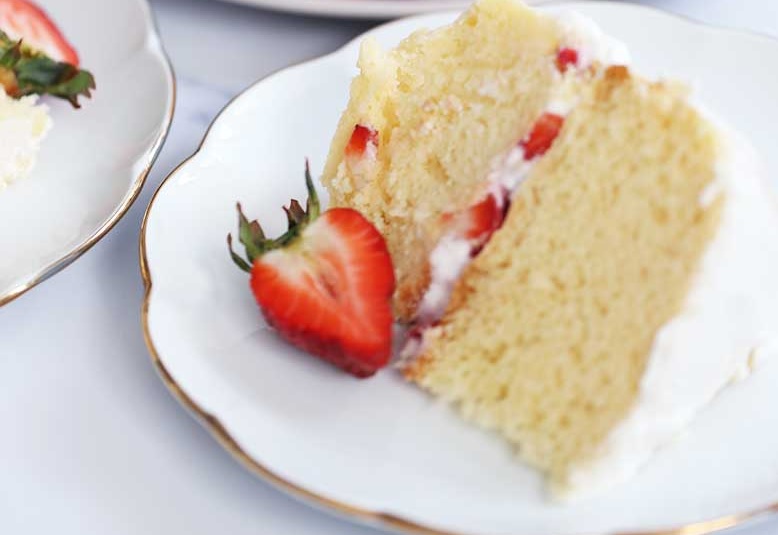
Ingredients
- 225g self-raising flour
- 225g butter, at room temperature
- 225g caster sugar
- 4 eggs
- 1 teaspoon baking powder
- 1 teaspoon vanilla essence
Instructions
Step 1
Preheat the oven to 340ºF. Brush a 22 cm, 2 liter fluted ring cake tin with the melted butter to grease well, then dust lightly with extra flour, tapping out any excess.
Step 2
Make sure that your ingredients are at room temperature.
Step 3
Add sugar to butter and mix them until they are light and fluffy.
Step 4
Break 4 eggs and beat them with fork just enough to blend whites and yolks. Add well beaten eggs gradually to the creamy mixture, beating well after each addition.
Step 5
Add 1 teaspoon vanilla essence to give a nice flavor.
Step 6
Fold flour and baking powder into the mixture.
Step 7
Bake for 20 minutes on the middle shelf, then remove and allow to cool before decorating it.
 ircookpad